




Single-Page vs Multi-Page Websites: What Works Best for Local Businesses in 2025?
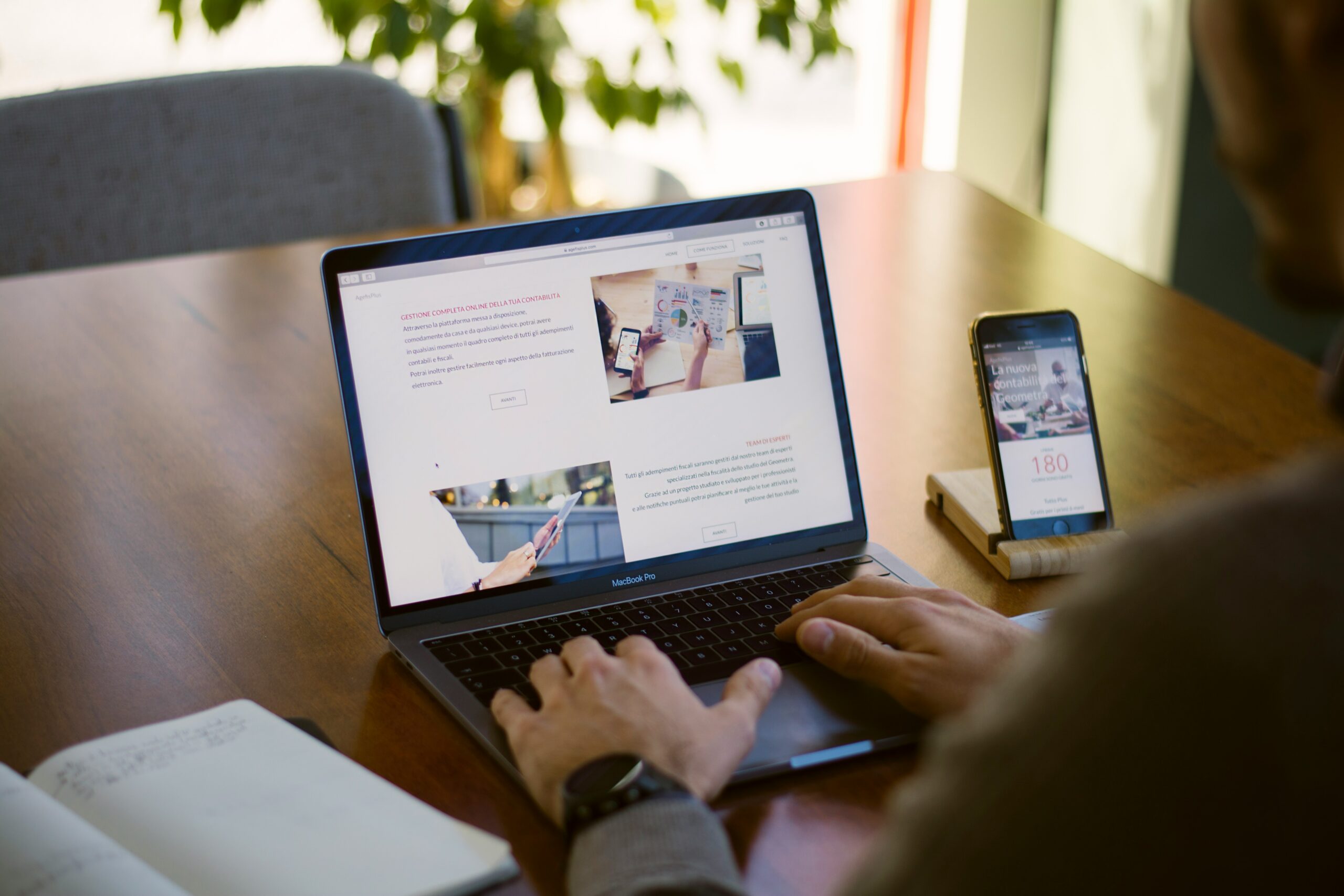
In 2025, a business website is often the first place local customers go to learn, compare, and decide. Whether someone is searching for a nearby service, a local store, or a trusted professional, your website plays a major role in shaping their decision. One of the most common questions businesses face during website development and design is whether to choose a single-page website or a multi-page website.
Both options have their strengths, and the right choice depends on your business goals, audience, and growth plans. For local businesses, choosing the right structure can directly impact user experience, search visibility, and conversions.
Let’s explore the differences and determine what works best for local businesses in 2025.
What Is a Single-Page Website?
A single-page website displays all its content on one long, scrollable page. Navigation links typically scroll users to different sections such as services, about, testimonials, and contact.
Single-page websites have become popular due to their clean design and simplified user journey, especially for startups and small local businesses.
Advantages of Multi-Page Websites
- Simple and Focused User Experience
Visitors don’t need to click through multiple pages. Everything they need is available in one place, making it easy to guide users toward a call to action. - Faster Development and Lower Cost
From a website development and design perspective, single-page sites are quicker to build and often more affordable—ideal for local businesses with smaller budgets. - Mobile-Friendly by Nature
Scrolling is natural on mobile devices. Single-page websites often perform well on smartphones, which is crucial since most local searches happen on mobile. - Strong Storytelling Flow
Single-page layouts allow businesses to present their message in a linear, persuasive way—leading users step by step toward conversion.
Limitations of Single-Page Websites
- Despite their simplicity, single-page websites do have drawbacks:
- Limited SEO opportunities since there is only one page to rank
- Not ideal for content-heavy businesses
- Harder to scale as the business grows
- Can feel overwhelming if too much information is added
For local businesses planning long-term growth, these limitations matter.
What Is a Multi-Page Website?
A multi-page website consists of multiple separate pages—home, services, about, blog, contact, and more. Each page focuses on a specific topic or service.
This structure has been the traditional choice for businesses and continues to dominate professional website development and design in 2025.
Advantages of Multi-Page Websites
- Better SEO Performance
Each page can target different keywords, locations, and services. For local businesses, this means better visibility in search results.
For example:
- “Plumbing services in Saskatoon”
- “Emergency plumber near me”
- “Residential plumbing solutions”
Multi-page websites allow you to rank for multiple local searches.
- Clear Content Organization
Visitors can easily find detailed information without scrolling endlessly. Separate pages create clarity and reduce cognitive overload. - Scalability and Growth
As your business expands, you can easily add new services, blogs, FAQs, and landing pages without restructuring the entire site. - Higher Trust and Credibility
In 2025, users associate multi-page websites with established, professional businesses. Detailed pages signal legitimacy and expertise.
Limitations of Multi-Page Websites
- Higher initial cost compared to single-page sites
- Longer development time
- Requires more content planning
Which Website Structure Works Best for Local Businesses in 2025?
The answer depends on your business type and goals.
Single-Page Websites Work Best If You:
- Are a small local business or startup
- Offer one core service
- Want a fast, affordable online presence
- Need a simple lead-generation website
- Focus on mobile users
Examples include:
- Freelancers
- Consultants
- Event services
- Personal trainers
Multi-Page Websites Work Best If You:
- Offer multiple services
- Want to rank for local SEO keywords
- Plan to grow in the future
- Need content like blogs or FAQs
- Want stronger credibility and authority
Examples include:
- IT companies
- Real estate agencies
- Healthcare clinics
- Construction companies
- E-commerce businesses
SEO Considerations in 2025
Search engines in 2025 prioritize:
- User experience
- Page relevance
- Content depth
- Local search intent
While single-page websites can rank, multi-page websites provide far more opportunities to optimize content for search engines—especially for local searches.
From an SEO-focused website development and design standpoint, multi-page websites generally deliver stronger long-term results.
Design Trends That Apply to Both
Regardless of structure, successful websites in 2025 share common design principles:
- Mobile-first layouts
- Fast loading speeds
- Clean visuals
- Clear calls to action
- Secure and accessible design
Good website development and design ensures usability across both formats.
Hybrid Approach: The Best of Both Worlds
Many local businesses now choose a hybrid approach:
- A strong single-page-style homepage
- Dedicated pages for services, locations, and content
This strategy combines storytelling with SEO power, making it an excellent choice in 2025.
Final Thoughts
There is no one-size-fits-all answer in the single-page vs multi-page debate. For local businesses in 2025, the best choice depends on budget, goals, scalability, and SEO needs.
Single-page websites are great for simplicity and speed. Multi-page websites excel in visibility, growth, and long-term success. The key is choosing a structure that aligns with your business strategy—not just current trends.
A thoughtful approach to website development and design ensures your website not only looks good but also performs, converts, and grows with your business.